

A commercial pest control checklist for Singapore businesses covers exterior perimeters, waste and sanitation zones, food storage areas, structural entry points and documentation, checked at a frequency matched to your industry’s risk level. Restaurants, warehouses, offices and factories each face different pest pressures, so a generic checklist rarely holds up under an NEA or SFA audit. This guide breaks the checklist down by sector, explains realistic inspection frequencies and outlines when DIY checks are enough versus when it’s time to call in a professional.
Key Takeaways
- A commercial pest control checklist should be sector-specific — a restaurant’s risk areas differ significantly from a warehouse’s or an office’s.
- The five zones every business should check are: exterior perimeter, waste and sanitation areas, food storage or pantry zones, structural entry points, and documentation records.
- Inspection frequency should be based on risk level, not a fixed calendar — food businesses generally need weekly to fortnightly checks, while lower-risk offices may manage with monthly reviews.
- NEA and SFA compliance depends on consistent, documented pest management, not one-off treatments.
- DIY checks are useful for daily housekeeping, but structural sealing, baiting programmes and audit documentation require a licensed pest management professional.
- The most common mistake businesses make is treating pest control reactively, only calling for help after a sighting rather than maintaining a preventive schedule.
Why Businesses Need a Structured Pest Control Checklist
Ask any facilities manager who has failed an audit over a rodent dropping in a storeroom, and they’ll tell you the same thing: pest problems in a business rarely start with the pest itself. They start with a gap in the routine — a drain that wasn’t checked, a delivery door left open a few minutes too long, a bin area that hasn’t been hosed down in a week.

A structured checklist closes that gap. Instead of relying on someone noticing a pest and then reacting, a checklist builds pest prevention into the daily and weekly rhythm of the business. That matters in Singapore specifically, because our climate does the pests’ work for them. High humidity, frequent rain, and warm temperatures year-round mean conducive conditions can develop within days, not weeks.
How Commercial Pest Control Differs From Residential
Residential pest control is largely about comfort and hygiene for one household. Commercial pest control carries additional weight:
- Regulatory exposure. Food businesses answer to the Singapore Food Agency (SFA) and NEA, with pest sightings tied directly to demerit points and licence risk.
- Reputational exposure. A single customer photo of a cockroach on social media can undo months of goodwill.
- Operational exposure. Warehouses and factories risk stock damage, contamination and production downtime, not just an unpleasant sighting.
- Documentation requirements. Commercial contracts typically need service reports, pest activity trend data and treatment records that residential customers rarely ask for.
This is why a checklist built for a household won’t hold up in a commercial setting — it needs to account for audit readiness as much as pest elimination.
The Core Commercial Pest Control Checklist
Regardless of industry, these five zones form the backbone of any commercial pest management programme.
Exterior & Perimeter
- Bin points and grease traps cleaned and covered
- No standing water in drains, gutters or planters
- Vegetation trimmed away from the building façade
- Perimeter bait stations present and undisturbed (if applicable)
- Loading bay and delivery doors closed when not in use
Waste & Sanitation Areas
- Waste collected and disposed of daily, not left overnight
- Bins fitted with tight-fitting lids
- Grease traps cleaned on schedule
- Recycling and cardboard storage kept away from walls
Kitchen, Pantry & Food Storage Zones
- Dry goods stored in sealed containers, off the floor
- Food debris cleaned from under equipment, not just visible surfaces
- Expired stock removed promptly
- Fridge and freezer seals intact
Structural Entry Points
- Door and window seals intact, no visible gaps
- Ceiling voids and false ceilings free of nesting signs
- Cable and pipe entry points sealed
- Screens on vents and drains undamaged
Documentation & Records
- Latest pest control service report on file
- Pest activity trend log reviewed monthly
- Staff incident reporting process in place
- Treatment and inspection dates logged for audit readiness
Sector-Specific Checklists
While the core checklist applies everywhere, each business type has its own pressure points.
Restaurants & F&B
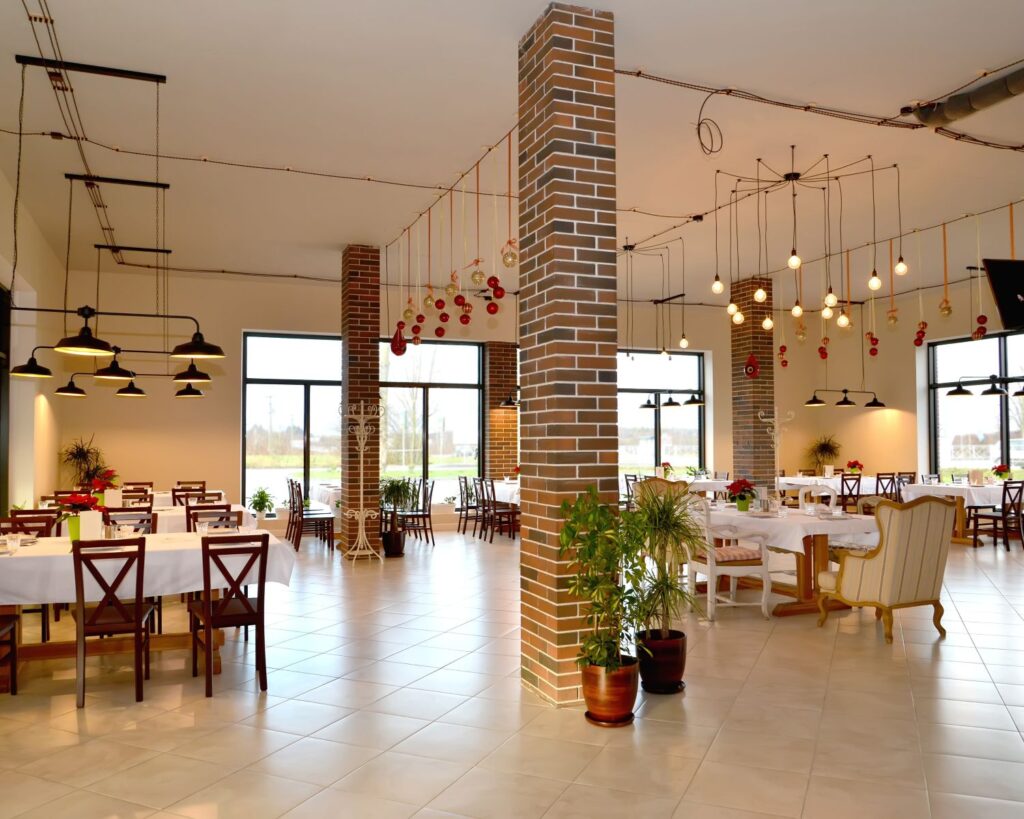
Food establishments face the strictest scrutiny in Singapore, and rightly so. In addition to the core checklist, restaurant kitchens should pay close attention to:
- Grease build-up around cooking equipment, a magnet for cockroaches
- Drain covers and gully traps, prime harbourage for German cockroaches
- Storage racking kept off the floor and away from walls
- Staff trained to report sightings immediately rather than handling it informally
Restaurants typically need the tightest inspection cycle of any commercial category, given the direct link between pest activity and SFA licensing. Our restaurant pest control programme is built around this reality, with audit-ready documentation for every visit.
Offices
Offices are lower risk than food businesses but far from immune, particularly in pantries, server rooms and ceiling voids where ants, cockroaches and the occasional rodent can go unnoticed for weeks. Checklist priorities include:
- Pantry areas cleaned daily and food not left overnight
- Server rooms checked periodically, since warmth and quiet make them attractive to pests
- Ceiling voids inspected during routine maintenance
See our office pest control approach for how this is typically structured for corporate premises.
Warehouses & Logistics
Large floor areas, frequent deliveries and stored goods make warehouses particularly vulnerable to rodents and stored-product pests. Priorities here include:
- Perimeter rodent control around loading docks and external walls
- Stock rotation to avoid long-term undisturbed storage
- Regular checks of packaging for gnaw marks or droppings
- Sealing gaps around roller shutter doors
Factories & Manufacturing
Manufacturing facilities need to think beyond hygiene toward production continuity and, for food-adjacent factories, HACCP compliance. Focus areas include:
- Raw material storage zones checked for pest activity before use
- Machinery voids and control rooms inspected for nesting
- Perimeter baiting maintained around loading and waste zones
Our food manufacturing pest control and industrial pest control programmes are designed around critical control points specific to each production line.
Retail & Shopping Centres
High foot traffic and food courts create unique challenges. Retail checklists should prioritise:
- Food court waste areas and grease traps
- Storerooms and stockholding areas kept dry and organised
- Discreet, after-hours servicing that won’t disrupt shoppers
Our retail pest control services are built for exactly this kind of low-disruption, high-compliance environment.
Comparison: Sector Risk Areas & Recommended Inspection Frequency
| Sector | Key Risk Areas | Recommended Frequency |
| Restaurants & F&B | Drains, grease traps, food storage | Weekly to fortnightly |
| Food Manufacturing | Raw material stores, production floor | Weekly to bi-weekly |
| Warehouses & Logistics | Loading docks, perimeter, stock areas | Fortnightly to monthly |
| Offices | Pantries, server rooms, ceiling voids | Monthly |
| Retail & Shopping Centres | Food courts, storerooms | Fortnightly to monthly |
| Factories (non-food) | Machinery voids, waste zones | Monthly |
Note: Actual frequency should be confirmed by a licensed pest management professional based on a site inspection, infestation history and audit requirements. This table is a general guide, not a fixed schedule.
How Often Should Commercial Pest Inspections Be Done?
There’s no single answer that fits every business, and any provider claiming otherwise is oversimplifying. Frequency depends on:
- Industry risk level — food-handling businesses need tighter cycles than offices.
- Site history — a location with a past infestation warrants closer monitoring.
- Audit and licensing requirements — some businesses are contractually or regulatorily obligated to a minimum inspection cadence.
- Seasonal factors — Singapore’s rainy season tends to increase rodent and mosquito activity, which may justify temporary increases in inspection frequency.
Common Mistakes Businesses Make With Pest Control
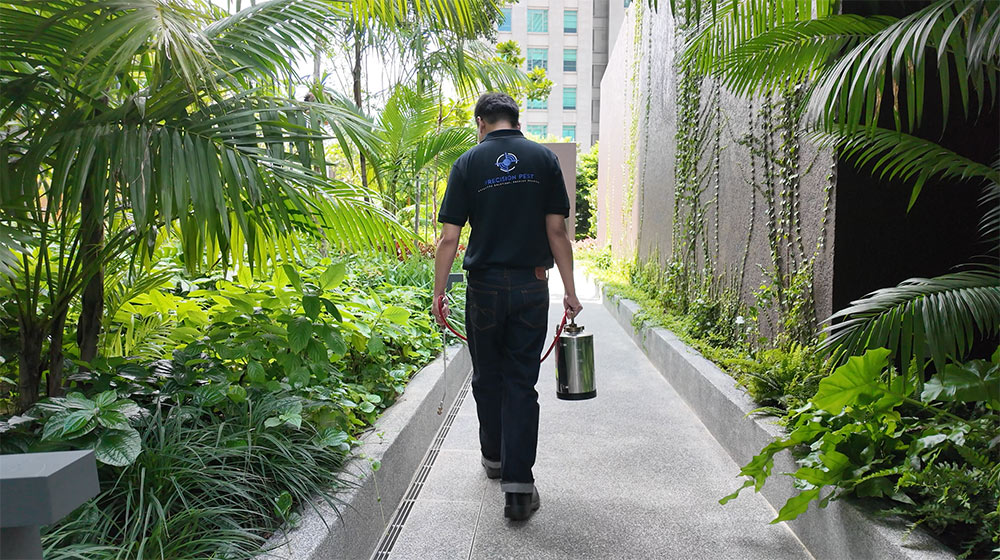
- Waiting for a sighting before acting. By the time a pest is visible, an infestation is often already established.
- Treating pest control as a one-off service. A single treatment addresses the pests present, not the conditions that attracted them.
- Overlooking documentation. Businesses sometimes focus entirely on treatment and forget that audit readiness depends on consistent record-keeping.
- Assuming DIY sprays are sufficient for commercial-scale problems. Off-the-shelf products can mask symptoms without addressing the source, allowing the underlying issue to grow.
- Skipping staff training. Cleaning and kitchen staff are often the first to notice pest signs, but without a clear reporting process, early warnings go unreported.
DIY Checks vs Professional Pest Management
| DIY Daily/Weekly Checks | Professional Pest Management | |
| Best for | Routine housekeeping, early detection | Treatment, structural sealing, ongoing monitoring |
| Scope | Visual checks, cleaning, waste management | Inspection, baiting, audit documentation |
| Compliance value | Supports good hygiene practice | Provides audit-ready service reports |
| Limitations | Cannot address structural entry points or nesting sites | Requires scheduled visits and cost |
| When it’s enough | Low-risk premises with no infestation history | Any site with recurring activity, food handling, or audit obligations |
Realistically, most commercial premises benefit from both: staff-led daily checks to catch early warning signs, paired with a professional programme for treatment, structural work and the documentation that audits require.
What NEA Compliance Requires From Businesses
The National Environment Agency’s guidelines emphasise a preventive, documented approach to pest management rather than reactive spraying. In practice, this means businesses are expected to maintain consistent sanitation standards, address conducive conditions promptly, and keep records that demonstrate an ongoing pest management programme rather than sporadic intervention. Food establishments face additional oversight from the Singapore Food Agency, where pest sightings can directly affect licensing standing.
Working with an NEA-certified provider ensures your business has the documentation trail — service reports, treatment records and activity trends — that these audits typically require.
Why Choose Precision Pest for Commercial Pest Control
At Precision Pest, we build commercial pest management programmes around the reality that every business is different — a warehouse’s risk profile has little in common with a boutique office’s. Our process starts with a thorough site inspection to identify pest pressure points specific to your premises, followed by a customised treatment plan and a schedule matched to your industry’s risk level. Every visit comes with full documentation, so you’re always audit-ready without having to chase paperwork after the fact. Our commercial pest control team is NEA-certified and experienced across F&B, logistics, retail and industrial sectors across Singapore.
Summary
A commercial pest control checklist only works when it’s built around your specific industry’s risk areas and matched to a realistic inspection frequency. The five core zones — exterior perimeter, waste and sanitation, food storage, structural entry points and documentation — apply across every sector, but restaurants, offices, warehouses, factories and retail spaces each carry their own pressure points worth checking closely. Pair routine staff-led checks with a professional pest management programme, and audit readiness becomes a natural by-product of good practice rather than a last-minute scramble.
Frequently Asked Questions
It depends on the industry. Food businesses typically need weekly to fortnightly visits, while offices and lower-risk premises can often manage with monthly inspections.
Food establishments are held to strict SFA and NEA standards, and most commercial leases or MCST agreements also expect a documented pest management programme, even outside the food sector.
Commercial pest control accounts for regulatory compliance, audit documentation and operational continuity, while residential pest control focuses primarily on comfort and household hygiene.
Yes, for routine visual checks and housekeeping. However, treatment, baiting and structural sealing should be handled by a licensed pest management professional.
A proper report should document the areas inspected, pest activity found, treatment applied, and recommendations for prevention, along with dated photos where relevant.
Visible droppings, gnaw marks, live sightings during operating hours, or repeat sightings despite regular cleaning are all signs that warrant a professional inspection.
It isn’t universally mandated, but many audits and larger organisations now expect an IPM-based approach as best practice, since it reduces chemical reliance while improving long-term results.
Costs vary depending on premises size, industry risk level, and inspection frequency. Most providers offer a free site assessment to scope out an accurate quotation.
Yes. Most commercial pest management is scheduled after hours or during low-traffic periods specifically to avoid disrupting staff and customers.
Depending on severity, this could mean anything from a targeted spot treatment to a full intensive flush-out for a significant cockroach infestation. A professional inspection will determine the right response.
Protect Your Business Before Pest Problems Escalate
Waiting until pests become visible can lead to operational disruptions, customer complaints and compliance issues. A proactive pest management programme helps identify risks early and reduces the likelihood of costly infestations.
Whether you operate a restaurant, office, retail outlet or industrial facility, Precision Pest offers customised commercial pest control solutions designed to protect your business year-round.
📞 Request a consultation today and let our experts develop a pest management programme tailored to your business.