
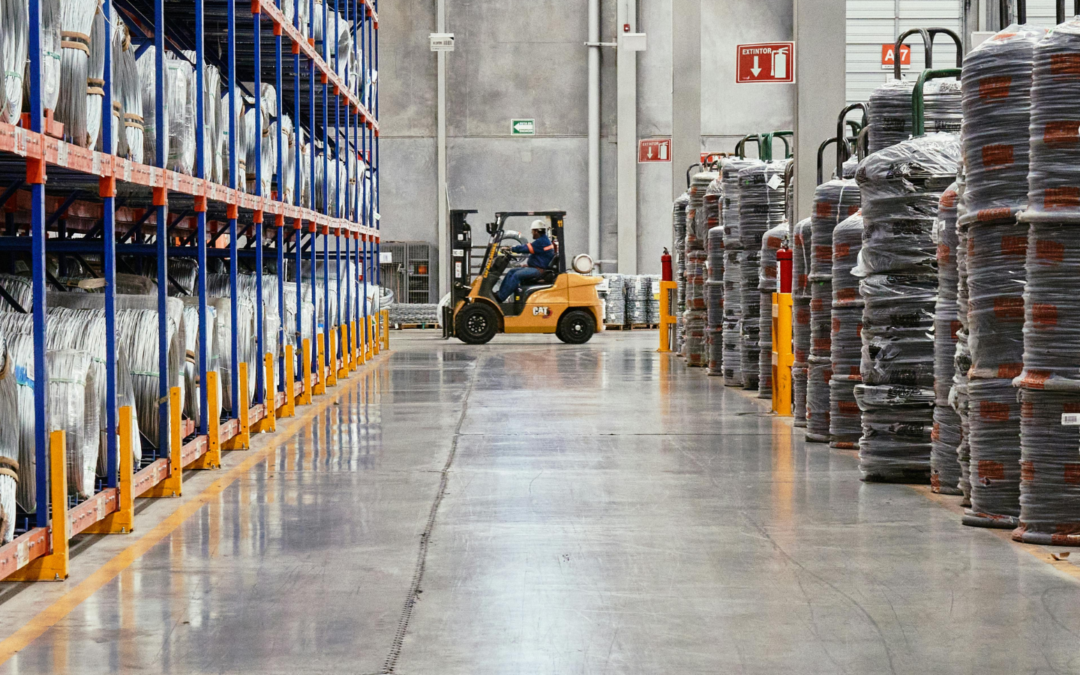
Warehouse pest control in Singapore centres on controlling entry points, monitoring inbound goods, and maintaining documentation that satisfies audit requirements. Rodents, cockroaches and stored-product pests exploit loading bays, worn door seals, and gaps as small as a single centimetre, while others arrive hidden inside the pallets and packaging that move through the facility daily. This guide covers the checklist every warehouse and logistics operator should be running, how often inspections should happen, and what auditors actually expect to see in your pest management documentation.
Key Takeaways
- Warehouses face pest pressure from two directions at once: structural entry points around the building, and pests that arrive hidden inside incoming goods.
- A rat needs a gap of roughly one centimetre to squeeze through, which is why loading bay seals and dock leveller gaps matter far more than most facility managers assume.
- Rodents, cockroaches, ants, flies and stored-product pests each exploit different zones of a warehouse, from racking systems to dry storage to waste areas.
- Reactive treatment consistently falls short in large facilities, because by the time pest activity is visible to staff, it has often been established for weeks.
- Food, pharmaceutical and consumer goods warehouses need documentation aligned with standards like HACCP, ISO and third-party audit schemes such as BRC or FSSC 22000.
- Inspection frequency should be matched to cargo type and audit obligations rather than a flat monthly default — food and pharma operations typically need tighter cycles.
Why Warehouses Are High-Risk Pest Environments
Warehouses present a genuinely different pest management challenge from offices or retail spaces, and it comes down to scale and structure. A typical facility combines large, often dimly lit floor areas, dense racking that creates countless hiding spaces, limited human presence overnight, and constant movement of goods in and out through openings that are difficult to seal completely. Put those factors together, and you get an environment where pests can establish themselves and go unnoticed far longer than they would in a smaller, more closely supervised space.

Singapore’s climate compounds the problem. Warm, humid conditions persist year-round, giving rodents, cockroaches and stored-product insects ideal breeding conditions regardless of season. Unlike temperate countries where cooler months naturally suppress some pest activity, Singapore warehouses face consistent pressure throughout the year, which is exactly why a one-time treatment rarely holds up for long.
Pests That Arrive With the Goods, Not Just Through the Building
Here’s the detail that catches many facility managers off guard: a significant share of warehouse pest problems don’t start with a structural gap at all. They arrive already inside the facility, hidden in pallets, cardboard packaging, shipping containers and delivery vehicles. Stored-product pests like weevils and flour beetles are notorious for this — they travel with the goods rather than seeking the building out independently.

This changes what an effective pest control programme actually needs to cover. Sealing the building is necessary but not sufficient. A warehouse also needs a process for inspecting what comes through the loading bay before it’s shelved alongside everything else.
Common Pests in Singapore Warehouses
| Pest | Typical Entry Route | Primary Risk |
| Rodents (rats & mice) | Loading bays, gaps in walls/roofing, drains | Gnaw damage to packaging and wiring, contamination, fire risk |
| Cockroaches | Incoming pallets, floor drains, racking voids | Contamination, rapid breeding in warm, humid zones |
| Stored-Product Pests (weevils, flour beetles) | Arrive inside packaging and dry goods | Product loss, contamination of food-grade stock |
| Ants | Floor-level gaps, spilled product residue | Contamination of open or damaged packaging |
| Flies | Waste areas, standing water near loading zones | Contamination, disease transmission, nuisance in staff areas |
Rodents remain the most consistently cited concern across Singapore warehouses, largely because the damage compounds quickly — gnawed packaging, contaminated stock, and chewed wiring that creates a genuine fire hazard, not just a hygiene issue.
Warehouse Entry Points Pests Exploit
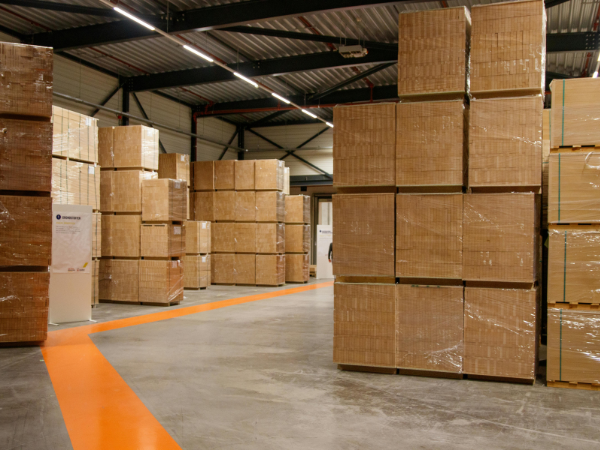
Understanding where pests actually get in is the foundation of any serious warehouse pest control programme. The most common entry points include:
- Loading bays and dock levellers — gaps under bay doors and around dock plates are among the most exploited rodent entry routes in any warehouse, simply because they’re in near-constant use and difficult to seal perfectly.
- Roller shutters and personnel doors — worn seals, slow-closing mechanisms, and doors propped open during busy periods all create windows of opportunity.
- Unsealed wall and roof penetrations — cable runs, pipe penetrations and structural gaps that were never properly sealed during construction or renovation.
- Drains and floor traps — an entry route that’s easy to overlook, particularly for cockroaches moving between zones.
The One-Centimetre Rule
It’s worth understanding just how little space a rodent actually needs. A gap of roughly one centimetre — barely the width of a pencil — is enough for a rat to squeeze through, thanks to their flexible skeletal structure. Mice need even less. This is why door sweeps, brush seals and properly fitted dock levellers matter far more than they might seem to at first glance, and why a warehouse that looks structurally sound to the human eye can still have dozens of viable rodent entry points.
The Warehouse Pest Control Checklist
Perimeter & Structure
- Building perimeter clear of overgrown vegetation that provides cover and travel paths
- No standing water around the building exterior
- Structural gaps, cable penetrations and roof junctions sealed
- Perimeter bait stations present, secured and undisturbed where applicable
Loading Bays & Receiving
- Dock leveller gaps checked and sealed
- Door sweeps and brush seals intact on all roller shutters and personnel doors
- Loading bay doors closed promptly outside active use, not left open for convenience
- Receiving area kept clear of accumulated debris and packaging waste
Racking & Storage Zones
- Stock stored off the floor and away from walls to allow inspection access
- Damaged packaging identified and isolated promptly
- Older stock rotated ahead of newer deliveries (first-in, first-out) to avoid long-undisturbed pockets
- Racking voids and pallet undersides checked periodically, not just visible shelf faces
Waste & Sanitation
- Waste collected regularly, not left to accumulate near loading or storage zones
- Bins fitted with tight-fitting lids
- Break rooms and staff pantry areas cleaned daily, since these often become secondary hotspots in an otherwise well-managed facility
Monitoring & Documentation
- Monitoring devices (bait stations, insect monitors) placed at identified high-risk points
- Service reports reviewed after each visit, not simply filed
- Pest activity trends tracked over time to catch emerging patterns early
- Corrective actions logged whenever monitoring reveals an issue
Inbound Goods: The Overlooked Entry Point
Most warehouse pest control checklists focus almost entirely on the building itself — the walls, the doors, the drains. Fewer address what happens the moment a delivery truck backs up to the dock. Given that stored-product pests and even some rodent activity can travel directly with incoming pallets, containers and packaging, a genuinely thorough programme needs a receiving-side inspection step as well.
In practice, this means training receiving staff to look for telltale signs on incoming shipments — gnaw marks on packaging, unusual holes in cardboard, small live insects, or a musty smell associated with certain stored-product pests. Isolating suspect pallets before they’re shelved alongside the rest of inventory prevents a problem that arrived with one delivery from spreading facility-wide.
How Often Should Warehouses Get Pest Inspections?
There’s no single correct frequency, because warehouses vary enormously in what they store and who they answer to. As a general guide:
- Food and pharmaceutical warehouses typically need weekly to fortnightly inspections, given the tighter compliance obligations and contamination sensitivity of the goods stored.
- General goods and consumer product warehouses often manage with monthly inspections, adjusted upward if there’s a history of activity.
- Facilities under third-party audit schemes (BRC, FSSC 22000, or specific client contracts) should follow whatever minimum frequency those schemes specify, which sometimes exceeds general industry norms.
Seasonal factors matter too. Singapore doesn’t have a true “quiet season” for pests given the consistent climate, but periods of heavier rainfall can increase rodent activity as they seek dry shelter, which may justify a temporary increase in monitoring frequency.
DIY Checks vs Professional Pest Management
| DIY Daily/Weekly Checks | Professional Pest Management | |
| Best for | Receiving-area inspection, housekeeping, early detection | Structural sealing, baiting programmes, audit documentation |
| Scope | Visual checks on incoming goods and visible areas | Full-site inspection, monitoring devices, treatment |
| Compliance value | Supports good operational practice | Provides audit-ready service reports and trend data |
| Limitations | Cannot address structural gaps or established infestations | Requires scheduled visits and cost |
The two aren’t a choice between one or the other. A warehouse that trains receiving staff to flag suspect deliveries, while relying on a professional programme for structural work, monitoring and documentation, covers both the entry routes pests actually use.
Documentation & Audit Readiness
For warehouses handling food, pharmaceutical or export-bound goods, pest control documentation isn’t a nice-to-have — it’s frequently a condition of doing business. Auditors under schemes like HACCP, ISO, BRC or FSSC 22000 typically expect to see:
- Detailed service records from every inspection and treatment visit
- Site maps showing monitoring device placement
- Pest activity trend reports covering a meaningful time period, not just the most recent visit
- Corrective action logs demonstrating that issues identified were actually addressed, not just noted
A facility can have zero visible pest activity on the day of an audit and still receive a finding if its documentation doesn’t demonstrate a structured, ongoing programme. This is worth internalising: the quality of your pest management records is treated as seriously as the quality of the pest management itself.
Common Mistakes in Warehouse Pest Management
- Treating the building as the only entry point, while overlooking pests that travel in with incoming goods
- Relying on periodic manual checks alone, which can miss activity that develops between scheduled visits in a facility this large
- Leaving loading bay doors open longer than necessary, purely for the convenience of not repeatedly opening and closing them
- Filing service reports without reviewing trend data, missing early signs of a developing pattern before it becomes a full infestation
- Assuming a clean-looking warehouse means a pest-free one, when activity is often concentrated in racking voids, pallet undersides and other spaces staff rarely inspect directly
How Precision Pest Supports Warehouses & Logistics
At Precision Pest, our warehouse and logistics programmes are built around the reality that these facilities face pest pressure from multiple directions at once — structural entry points, inbound goods, and the sheer scale that makes manual oversight alone unreliable. We start with a comprehensive site survey covering loading bays, racking aisles, drainage points and perimeter zones to identify where your specific facility is most vulnerable. From there, our commercial rodent control and industrial pest control programmes combine proofing, targeted baiting and ongoing monitoring, all backed by detailed documentation suited to HACCP, ISO and third-party audit requirements. Every visit is scheduled around your operations, so pest management supports your supply chain rather than disrupting it.
Frequently Asked Questions Warehouse Pest Control
Rodents are the primary concern, followed by cockroaches, stored-product pests like weevils and flour beetles, ants and flies, each associated with different zones of the facility.
Roughly one centimetre, thanks to their flexible skeletal structure. Mice need even less space, which is why door seals and dock leveller gaps matter significantly more than they appear to.
Food and pharmaceutical warehouses typically need weekly to fortnightly visits, while general goods warehouses often manage with monthly inspections, adjusted based on activity history and audit requirements.
Yes. Stored-product pests in particular often travel directly inside packaging and pallets, which is why inspecting inbound goods is as important as sealing the building itself.
Auditors typically expect service records, site maps showing monitoring device placement, pest activity trend reports, and corrective action logs, not just a single treatment invoice.
It depends on what’s stored. Monthly visits are often adequate for general goods warehouses, but food, pharmaceutical, and audit-obligated facilities usually need a tighter schedule.
Rodents gnaw on electrical wiring as part of their natural behaviour to wear down their teeth, which can expose live wires and create a genuine fire hazard alongside the contamination risk.
Dock leveller gaps, door sweeps and brush seals, and whether doors are being closed promptly outside active use, since loading bays are among the most exploited entry points in any warehouse.
Yes. IPM principles — prevention, monitoring and targeted treatment — apply directly to warehouse environments, reducing reliance on broad chemical treatments while improving long-term results.
Focusing entirely on the building’s structure while overlooking pests that arrive with incoming goods, which leaves a significant entry route effectively unmanaged.
Summary
Warehouse pest control succeeds or fails on two fronts at once: how well the building itself is sealed against entry, and how carefully incoming goods are inspected before they join the rest of your inventory. Rodents, cockroaches and stored-product pests each exploit specific weaknesses — a gap under a dock leveller, a pallet that wasn’t checked on arrival, a racking void nobody looks at directly — and a genuinely effective programme addresses all of them, not just the ones that are easiest to see. Pair a structured checklist with professional monitoring and documentation that holds up under audit, and pest management becomes a strength in your supply chain rather than a recurring vulnerability.
If you’d like a site assessment to identify where your warehouse is most exposed, Precision Pest offers customised pest management programmes for warehouses and logistics facilities across Singapore. Contact our team to get started.